ICS 314 AI Journey?
12 May 2025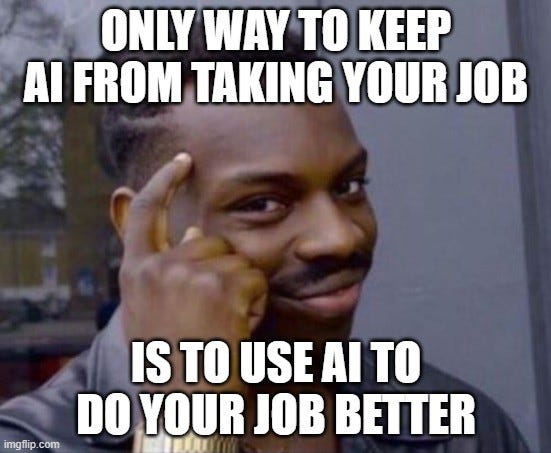
How AI Helped Me Code (and Learn) in ICS 314
When I first heard that we had to track our work and write essays in ICS 314, I didn’t expect that AI would play such a big role in helping me along the way. But throughout the semester, tools like ChatGPT, GitHub Copilot, and Claude became regular companions while I debugged code, wrote essays, and worked on our final project.
My Experience with AI Tools
Experience and Practice WODs
For Experience WODs, I often ran into problems setting up tools or understanding what I was supposed to do. Instead of spending an hour digging through documentation, I asked ChatGPT questions like “How do I install Prisma for a Next.js project?” and got clean, step-by-step help. It saved me a lot of time and confusion.
In practice WODs, I used AI sometimes when I got stuck. I used ChatGPT when I got stuck during a project setup—especially for configuring environment variables or fixing weird ESLint errors
In-Class WODs
During actual in-class WODs, I tried not to use AI because I wanted to test what I knew. But it was tempting, especially during the timed ones. Once or twice, I asked ChatGPT about a bug I couldn’t figure out, just to keep from wasting time.
Essays
This essay—and a few others—I brainstormed with ChatGPT. I’d type something like “Help me write an essay about using AI in software engineering,” and it would help me organize my thoughts. I still wrote everything in my own words, but the structure made it easier to get started.
Final Project
For our final Campus Careers project, AI helped a lot. Copilot completed repetitive React components and form validation. ChatGPT explained how to connect our components to pages in Next.js. While the suggestions weren’t always perfect, they gave me a strong starting point to work from.
Learning Concepts
Any time I didn’t understand something, I just asked. “What is useEffect?” or “What does await really do in JavaScript?” ChatGPT became my private tutor. It explained things in a simpler way than Stack Overflow or MDN sometimes.
Helping Others and Asking Smart Questions
When I wanted to ask better questions in class or on Discord, I would let AI help me rephrase. “What’s the best way to validate a form using Zod?” turned into a much more readable and helpful question thanks to AI.
I also used AI to double-check answers I gave classmates. I didn’t want to share something wrong, and AI gave me more confidence to speak up.
Documenting and Fixing Code
For documentation, I sometimes asked, “Can you turn this comment into Markdown?” or “Explain this function in plain English.” It saved me a bunch of time. I also used AI for fixing ESLint errors. One prompt like “Fix this eslint error: ‘x is defined but never used’” often solved my issue fast.
What I Learned About AI and Myself
AI made me more efficient, but I learned I still have to think for myself. If I just copied and pasted code without reading it, I’d end up with bugs I didn’t understand. The best results came when I asked follow-up questions like, “Why does this work?” or “What’s another way to solve this?”
Real-World Use
Outside of class, I’ve already used AI tools to help with personal coding projects and even job applications. It helps brainstorm, debug, and save time—especially when I’m tired or unsure. In the future, I imagine AI will be a normal part of every developer’s workflow.
Conclusion
AI didn’t do the work for me—but it helped me work smarter. It’s like having a coding assistant who’s always available. In ICS 314, it made debugging easier, writing clearer, and learning more flexible. I think AI should absolutely be part of software engineering education, as long as we remember: it’s a tool, not a replacement for understanding.
This essay was written with help from ChatGPT to help make layout, and fix grammar.
```